Quantinuum Systems Releases — May 2026


Welcome to this quarter’s Quantinuum Systems Releases. In this edition, you’ll find highlights from our first annual Q‑Net Connect, new Nexus capabilities that simplify account administration, and Helios updates, including a toolkit for improved leakage error handling, along with expanded advanced documentation to support your work.
Highlights
- Community: Q‑Net Connect highlights
- Helios: Runtime improvements and leakage error handling toolkit
- Documentation: New and expanded advanced user guides
- Nexus: New admin features (usage visibility, job filtering, report export)
1st Annual Q‑Net Connect
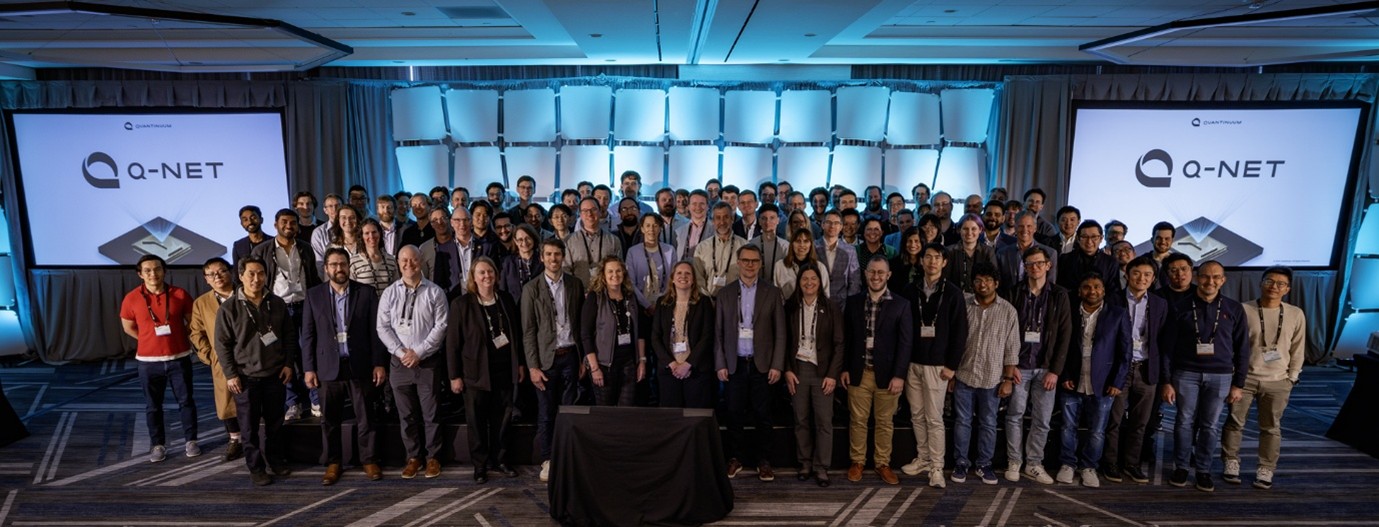
Our first annual Q‑Net Connect, held in Denver, brought together over 170 members of the global Quantinuum Network (Q‑Net) for two days of technical exchange, collaboration, and insight across Quantinuum’s full‑stack platform. The event featured keynotes, technical sessions, and customer presentations spanning industry, academia, startups, and the public sector.
Recordings from the event will be shared with Q‑Net members. Learn more at: https://www.quantinuum.com/q-net
Hardware Updates
Runtime Single‑Qubit Gate Optimization
The Helios runtime now includes single‑qubit gate optimization by default during job execution. Multiple consecutive single‑qubit gates are combined into a mathematically equivalent single operation at runtime, reducing the total number of physical gates. This improves fidelity and reduces overall execution time.
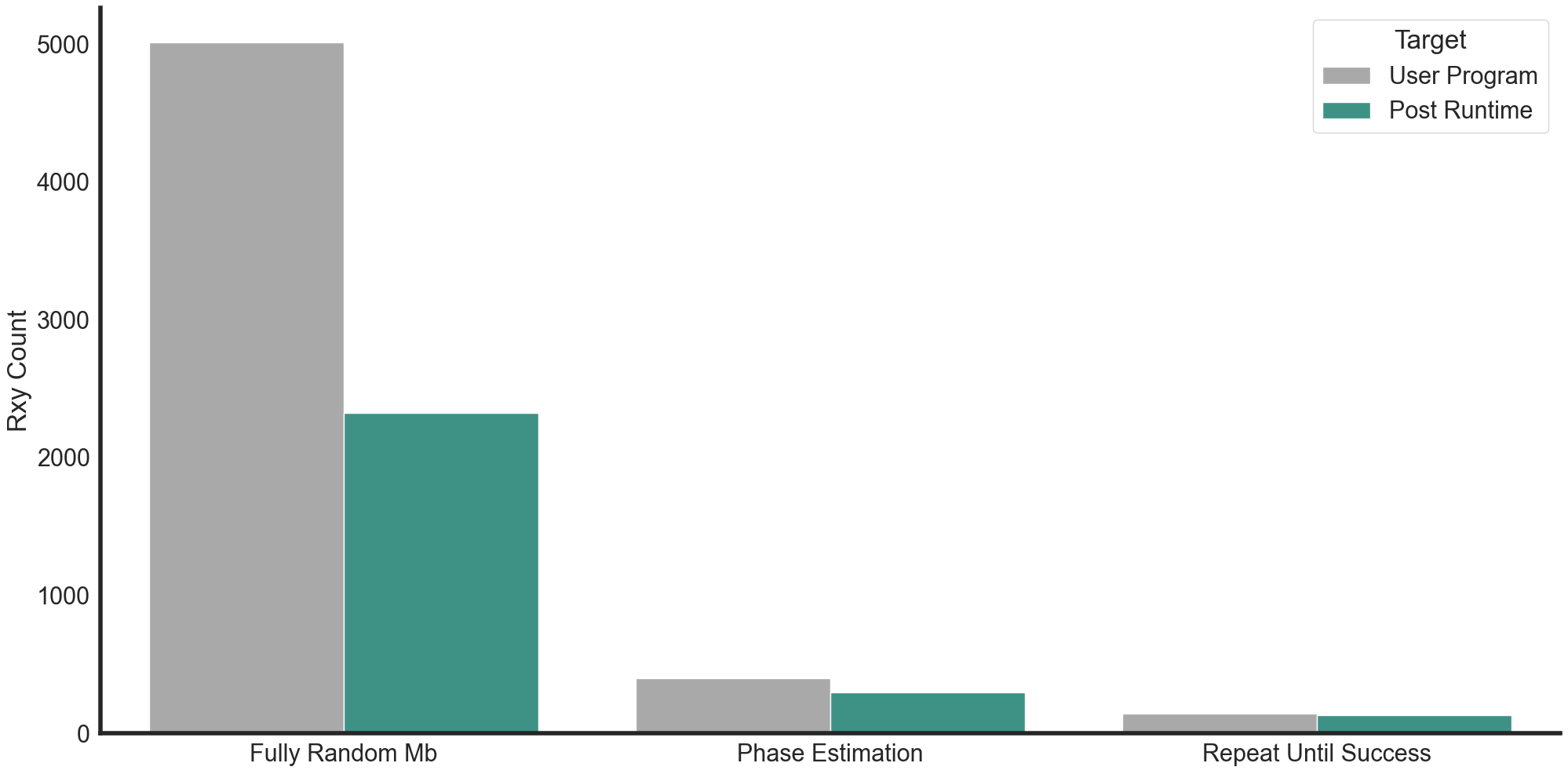
Benchmarking shows:
- ~50% reduction in Rxy gate count for Fully Random Mirror Benchmarking
- ~25% reduction in Rxy gate count for Phase Estimation
Leakage Error Toolkit
A new Leakage Error Toolkit is now available covering leakage detection and mitigation on Helios and System Model H2:
- Heralded Leakage Measurement (Helios): Native leakage detection via D‑state shelving on Quantinuum Helios.
- Leakage Detection Gadget (H2 & Helios): Generation-agnostic gadget for leakage detection, requiring ancilla qubits and 2-qubit gate operations.
- Leakage Repump (H2): Automatic suppression of leakage errors on System Model H2.
Maximizing Helios Usage
A new document on performance maximization and resource utilization for Helios with Guppy highlights best practices, design patterns, and optimization techniques for power users.
Documentation: Helios Performance Maximization
Selene Capabilities and Usage Guidance
Selene is Quantinuum’s emulator framework for Helios and future systems, supporting debugging, replay simulation, and resource estimation.
New documentation includes:
- Matrix Product States (MPS) Simulator
- Opensource Error Models
- Simulation Logs
- Catching Runtime Errors
- Simulation Guidance
- Selene extensibility API
The MPS simulator enables exploration of deeper and more structured programs when entanglement is limited.
Guppy Language Documentation
New Guppy documentation has been released:
- Compile‑time arguments
- Built‑in array usage and manipulation
- Deferring measurements
- Measuring arrays with the Option type
Nexus: Organization Administrator Updates
Hardware and Emulator Usage Over Time
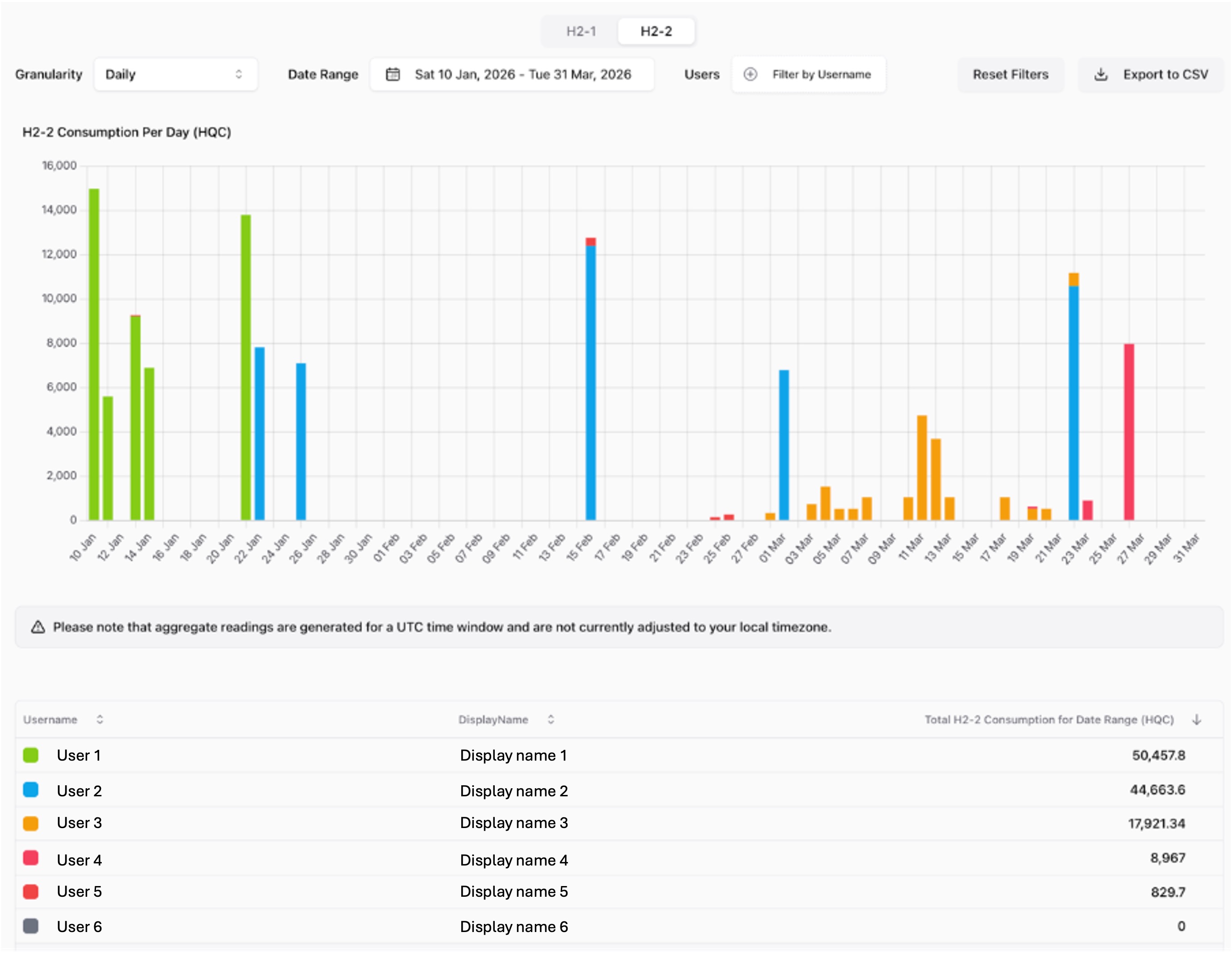
Organization administrators can now visualize hardware and emulator usage over time via the Access tab in Nexus. Data can be filtered by date range and exported as CSV files. Full data is available from January 2026 onward.
Job Filtering and Report Export
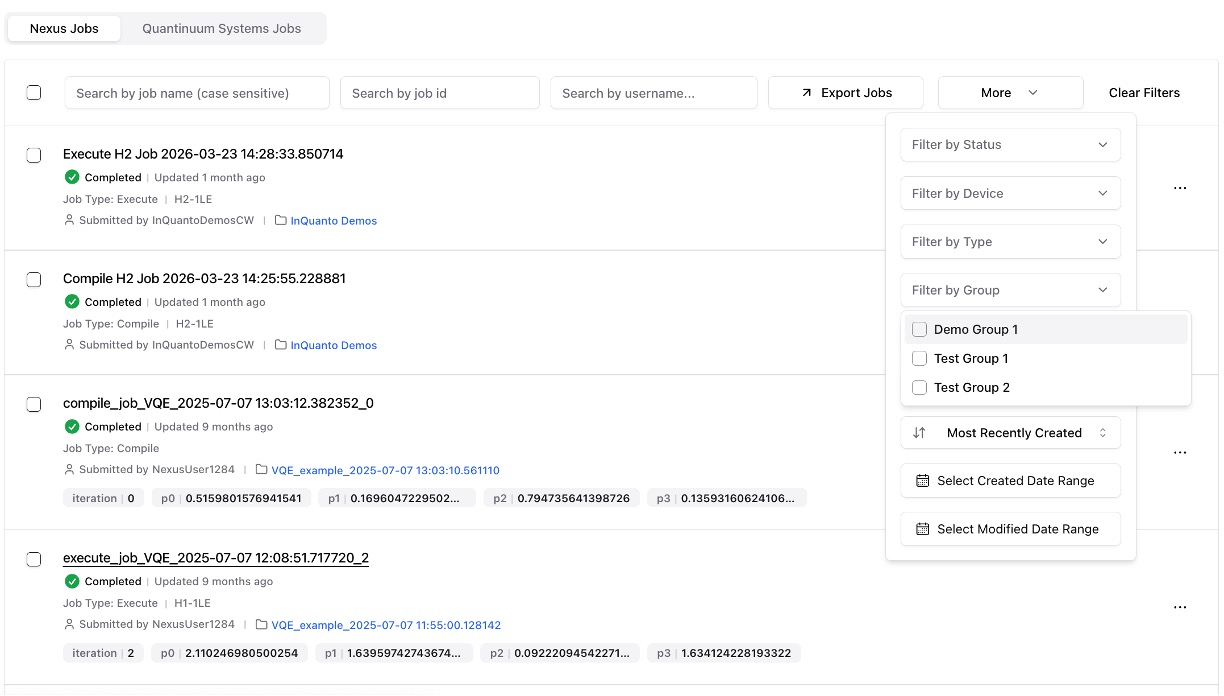
Administrators can now:
- Filter Nexus jobs by groups using the More Filters menu
- Export filtered job and HQC usage reports to CSV
Exports include job ID, user email, group name, project name, HQC cost, and more.
Support
For more information or questions on changes to Quantinuum's compute platform, please contact support@quantinuum.com.